

7 Ways to Evaluate Online Bakery Quality Before You Buy
Updated: Nov 13
Last Updated: October 28, 2026
Quick Summary
To evaluate online bakery quality, verify ingredient lists, product details, real photos, specific dated reviews, shipping and freshness terms, allergen rules, and a real contact method before you buy. Online bakery quality is the sum of things you can check before checkout, not the look of the product page.
Run every bakery through seven checks: ingredients, product details, photos, reviews, shipping, allergens, and support.
Read the last 20 to 30 reviews and label each by evidence type to spot template-like or fake feedback.
Confirm four shipping disclosures before ordering: packaging method, transit time, freshness promise, and damage policy.
Most shipped cookies hold quality for about 7 to 14 days after arrival in an airtight container.
Score each bakery 1 to 5 on weighted criteria, with ingredient transparency counting 25%.
Table of Contents
Start With the Online Bakery Quality Checklist
Learning how to evaluate online bakery quality starts before you add anything to a cart. A short pre-order check can help you assess an online bakery before you buy.
Here is the uncomfortable truth most shoppers learn the hard way: a beautiful product page tells you almost nothing about what lands on your doorstep. Online bakery quality is the sum of things you can verify before checkout, like ingredient lists, shipping terms, and honest reviews. The checklist below turns those signals into a simple yes-or-no test.
The 7 Checks That Matter Most
Run every bakery through these seven checks before you order:
Ingredients: Full list published, with real butter and recognizable items
Product details: Sizes, quantities, and serving counts stated clearly
Photos: Real product shots, not just styled stock images
Reviews: Specific, dated feedback you can verify
Shipping: Freshness policy, packaging, and delivery windows explained
Allergens: Cross-contamination rules easy to find
Support: A real contact method and a clear problem-resolution policy
Read the Ingredients and Product Information Closely
Ingredient information is one way to assess an online bakery. Look for a full ingredient list on every product page, not a vague "made with love" paragraph. Ingredient lists can help you understand what a product contains. If the list is missing or hidden, that is a red flag.
Pay attention to the details most shoppers skip:
Butter vs. shortening: Butter brings flavor; shortening is cheaper and flatter in taste.
Preservatives: Long shelf-life claims often mean additives that change texture.
Serving counts: "A dozen" should mean twelve cookies, not twelve mini bites.
Ingredient names carry real meaning. Our guide on natural vs artificial flavors in cookies explains what those terms mean for quality. FDA guidance on natural vs. artificial flavors explains what those labels actually require, which helps you read a list without guessing. If you want the deeper science, our guide on why premium butter makes better cookies breaks down what real butter does for flavor and texture.
Assess Appearance, Texture, and Flavor From the Product Page
You cannot taste a photo, but you can read one. Product photography is a quality signal all by itself. Look for close-up shots that show crumb structure, edges, and thickness.
Here is what to look for in the photos:
Even browning: Dark edges and pale centers suggest uneven oven heat.
Visible crumb: A tight, moist crumb beats a dry, crumbly look.
Honest styling: Cookies on a plain surface read as real; heavy props can hide flaws.
Flavor and aroma are harder to judge online, so lean on descriptions. Vague flavor talk with no specifics is a warning sign.
How to Vet Online Bakery Reviews
Online bakery reviews can be useful when they are genuine. Most guides tell you to "look for specifics" and stop there. That advice is too vague to act on. Use a verification method instead: separate reviews into evidence types, then check whether the pattern holds across sources.
Step 1: Sort Reviews by Evidence Type
Read the last 20 to 30 reviews and label each one:
Specific and dated: Mentions a delivery date, packaging detail, or how the cookies tasted days later. These are the most reliable.
Specific but undated: Useful for product quality, less useful for current shipping performance.
Vague and positive: "Best cookies ever!" with no detail. Treat as weak evidence.
Vague and negative: "Terrible." with no detail. Also weak evidence, but worth noting if it repeats.
Template-like: Identical phrasing across multiple reviews, or reviews posted in a burst on the same day. A red flag for incentivized or fake feedback.
Step 2: Check the Pattern Across Sources
A single glowing review proves little. Look for the same complaint or compliment appearing on more than one platform, the bakery's own site, a third-party review site, and social media comments. If the bakery's site shows only five-star reviews while an independent site shows repeated complaints about late delivery, trust the independent pattern.
Step 3: Read the Middling Reviews First
Three-star reviews are usually the most honest because the reviewer has both a compliment and a complaint. Look for whether the bakery responded, and whether the response solved the problem or deflected it.
Step 4: Check for Disclosure and Response Behavior
The FTC rules on endorsements and reviews require honest, disclosed feedback, so a reputable bakery will not hide or fake praise. A bakery's responses to complaints can offer information about its service policy.
Watch Out Be cautious of a bakery that deletes negative reviews or shows only a single burst of reviews from one month. A steady stream of recent, specific feedback is a stronger signal than a perfect average.
Cross-check reviews on more than one site before you trust them.
Bakery Shipping and Freshness: What to Confirm Before Ordering
Shipping and freshness are factors to consider when ordering cookies online. Most top-ranking guides stop at "check the shipping policy." That is not enough. You need a delivery-specific framework you can apply before checkout and again the moment the box lands.

Before You Order: The Four Shipping Disclosures
Confirm these four items on the product or shipping page. If any is missing, email the bakery before you buy.
Packaging method: Are cookies cushioned in a rigid box, separated by dividers, or vacuum-sealed?
Transit time: Look for a stated window (for example, "ships Monday through Wednesday for Thursday delivery") rather than a vague "fast shipping."
Freshness promise: Ask the bakery about its freshness information.
Damage and staleness policy: What happens if the box arrives crushed, melted, or stale?
On Arrival: The 10-Minute Delivery Inspection
Temperature: Cookies should arrive at room temperature, not warm or refrigerated unless the bakery specifies otherwise. A cold pack is normal for chocolate items in warm months; a melted pack in cool weather suggests a packaging problem.
Packaging integrity: Check for crushed corners, shifted dividers, and cookies pressed against the box wall. Damage here points to weak cushioning.
Aroma: Open the box and smell it. Fresh butter and vanilla should be noticeable. A flat or papery smell suggests the cookies are older than promised.
Texture on first bite: Break one cookie in half. A clean snap with a moist interior is a good sign; a crumbly, dry break or a soft, stale center is not.
Count and condition: Verify the quantity against the product page and note any broken pieces. Photograph the box before you discard packaging if you plan to request a replacement.
The Freshness Timeline
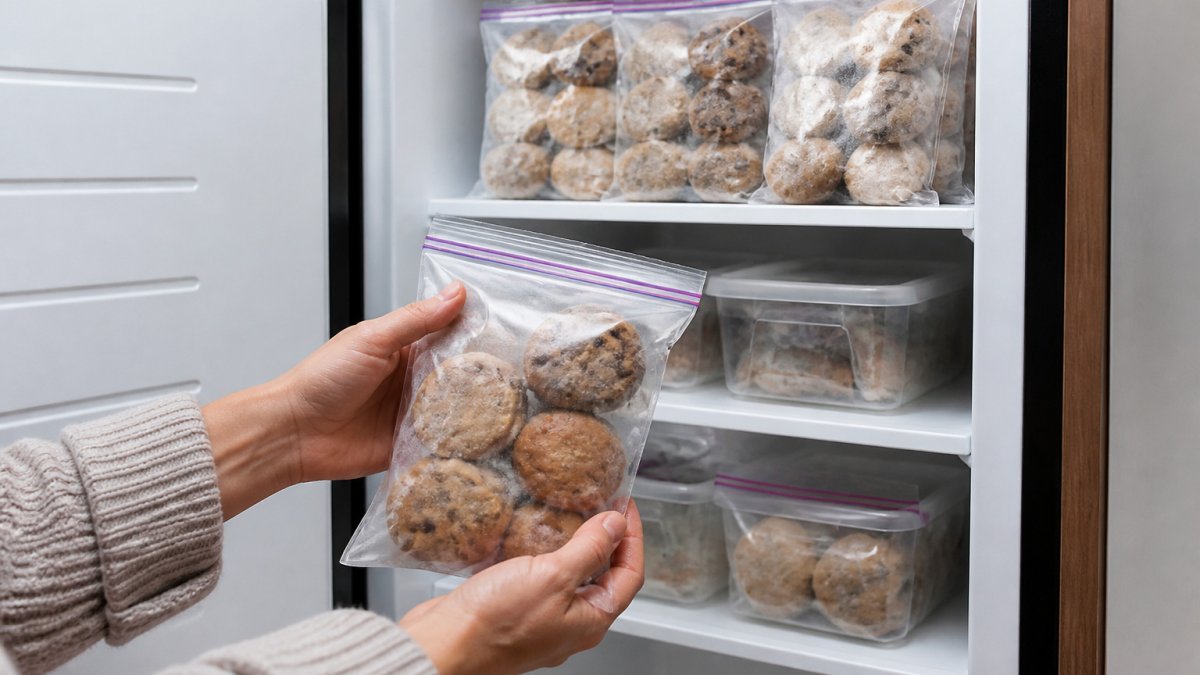
Most shipped cookies hold quality for about 7 to 14 days after arrival if stored in an airtight container at room temperature. If the bakery's packaging claims a longer window, ask what preservatives or modified-atmosphere packing make that possible. For storage steps, our guide on how to keep shipped cookies fresh covers what to do the moment the box arrives.
Delivery information is one factor to consider when evaluating an online bakery.
Check Online Bakery Allergen Information and Cross-Contamination Rules
Online bakery allergen information should be easy to find and specific. If you have a gluten-free or vegan need, look for clear information about ingredients and allergen handling.
Look for these disclosures:
Full allergen list: Milk, eggs, wheat, soy, and nuts stated per product.
Shared equipment: A note on whether items are baked on the same lines.
Dietary claims: Specific gluten-free or vegan labels, not vague "natural" wording.
When in doubt, message the bakery directly before ordering.
Score the Bakery With a Simple Weighted Rubric
A weighted rubric turns a gut feeling into a fair comparison. Score each bakery from 1 to 5 on the criteria below, multiply by the weight, and add the totals.
Criterion | Weight | What a 5 Looks Like |
Ingredient transparency | 25% | Full list, real butter, named sources |
Reviews and feedback | 20% | Specific, recent, verified comments |
Shipping and freshness | 20% | Clear packaging and freshness promise |
Allergen disclosure | 15% | Detailed cross-contamination notes |
Product photography | 10% | Honest close-ups showing texture |
Support and policy | 10% | Real contact and clear resolution |
This rubric is one way to organize an online bakery quality checklist.
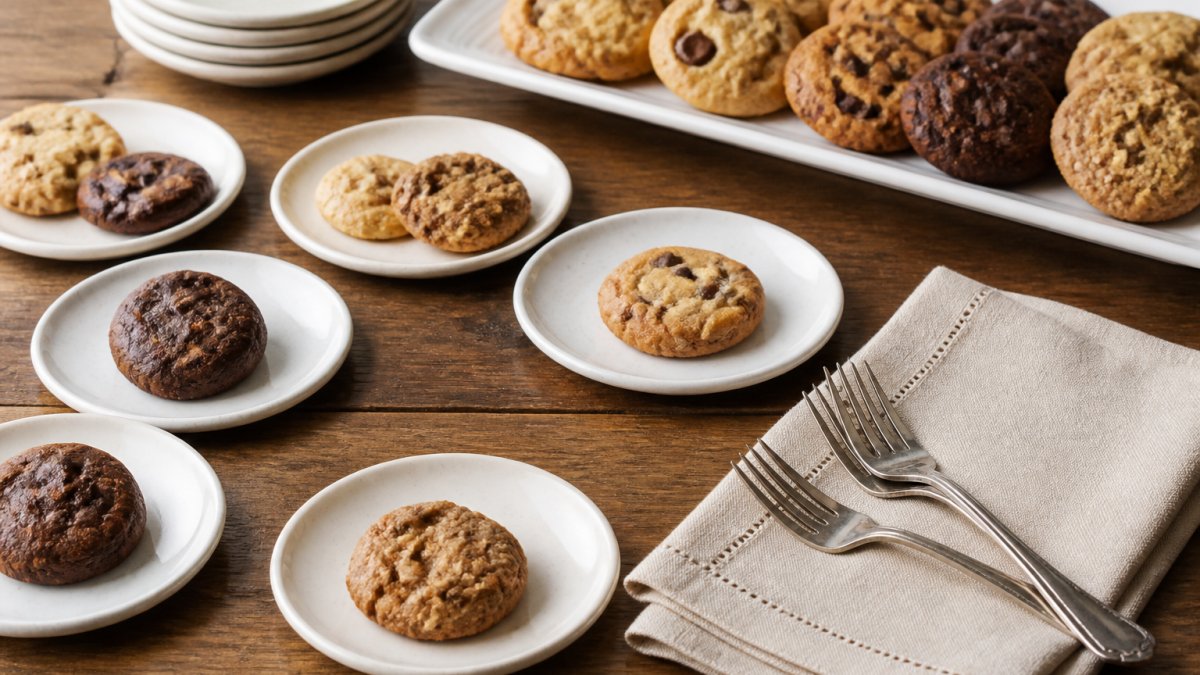
Order a Test Box From Julie's Blue Ribbon Cookies
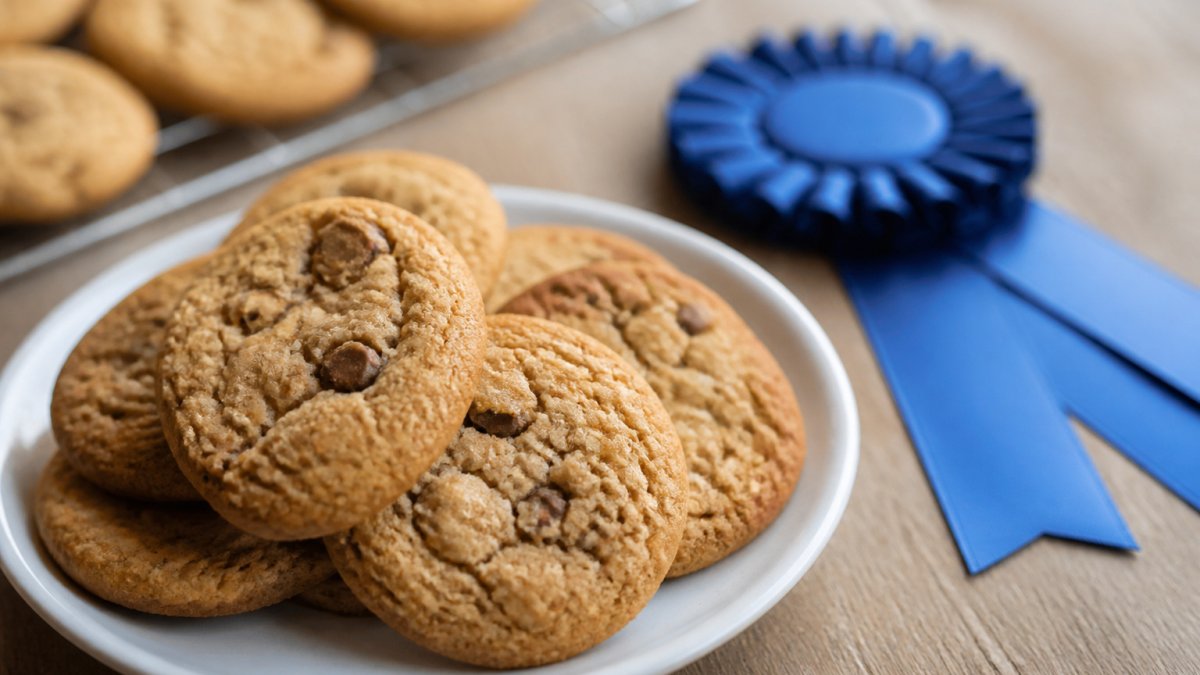
A small first order is one way to assess a bakery. At Julie's Blue Ribbon Cookies, we have refined our recipes for over 25 years, and we bake with real butter and all-natural ingredients. Our cookies earned a Blue Ribbon at the Wisconsin State Fair in 1989, and we still bake every batch by hand.
Our homemade cookies are shipped directly to your door. Have questions about a gift or a corporate order? Send us a message.
Frequently Asked Questions
How can you tell if an online bakery is good?
Look for a detailed ingredient list, clear shipping information, and reviews that offer specific feedback. Product photography and allergen information can also help you assess an online bakery.
What should I look for in online bakery reviews?
Read reviews for specific feedback about products and service. You can also check whether the bakery responds to negative reviews and whether ratings appear on a third-party platform. Identical reviews posted in a short period may warrant closer scrutiny.
What should I check about shipping and freshness when ordering baked goods?
Review the shipping information available before ordering. If you have questions about delivery or what to do if an order arrives damaged, contact the bakery before checkout.
How can I tell whether an online bakery clearly handles allergens?
Look for clear allergen information and contact the bakery directly if you have questions about ingredients or allergen handling.
Judging online bakery quality does not have to be a gamble. Use the checklist, read the ingredients, vet the reviews, and score each option fairly. Then order a test box from Julie's Blue Ribbon Cookies and taste the difference that real butter and 25 years of baking make. Get started with Julie's Blue Ribbon Cookies and find your new favorite treat.
Comments